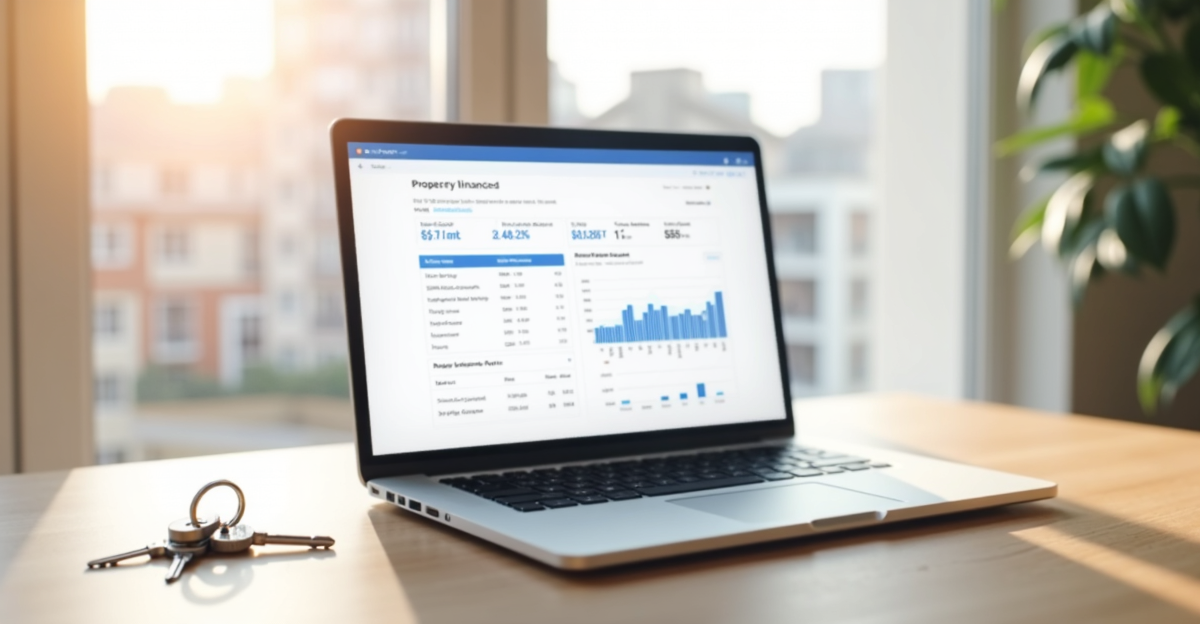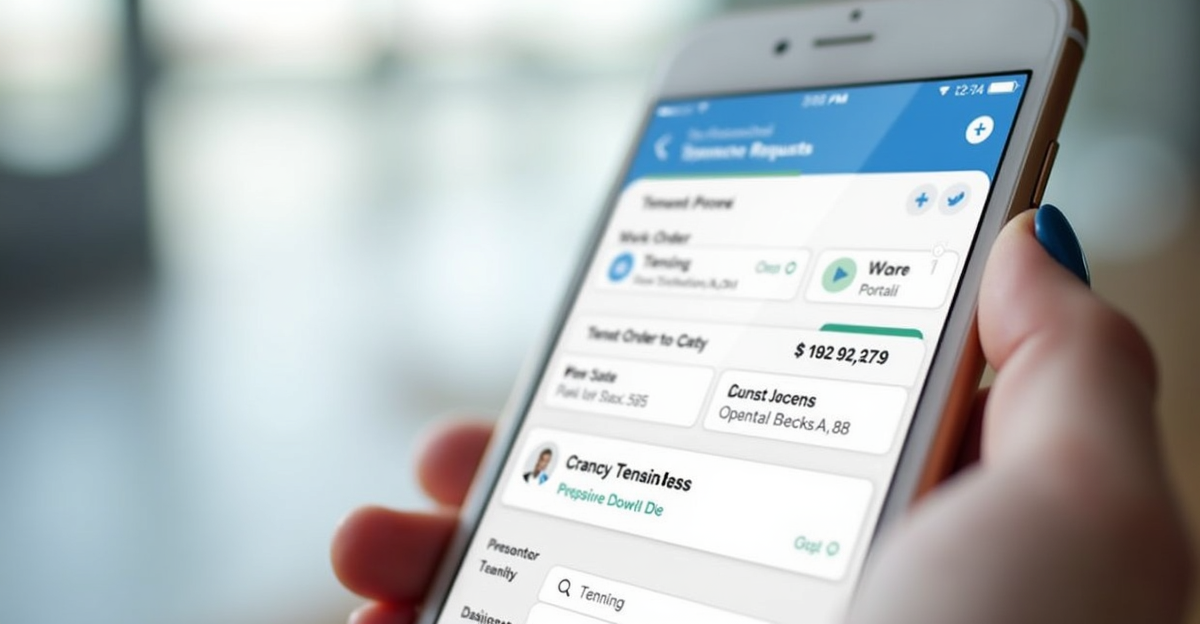
Managing maintenance requests efficiently separates successful landlords from those drowning in late-night emergency calls and frustrated tenants. Whether you manage 2 units or 200, the right maintenance request software for landlords transforms chaotic text messages, emails, and voicemails into organized workflows with clear accountability.
The maintenance software landscape has evolved significantly in 2026. Beyond basic ticket logging, today’s property maintenance tracking apps offer AI-powered urgency detection, automated vendor dispatch, photo markup tools, and tenant self-diagnosis features that reduce unnecessary service calls by 30-40%.
This guide compares seven dedicated solutions across pricing, features, and ideal use cases. We tested each platform’s tenant portal experience, contractor coordination capabilities, and integration options to help you choose the right fit for your portfolio size and management style.
What to Look for in Maintenance Request Software
Before comparing specific platforms, understand the features that separate basic ticketing systems from true landlord work order management systems:
Tenant portal accessibility: Your tenants need dead-simple request submission via mobile app or web portal. The best tenant maintenance portal software allows photo uploads, urgency selection, and access tracking without requiring phone calls or emails.
Work order automation: Look for automatic routing to the right vendor based on issue type, property location, or trade specialty. Manual assignment creates bottlenecks when you’re managing multiple properties.
Contractor management: Integrated vendor databases with contact info, trade specialties, service areas, insurance documentation, and performance ratings eliminate spreadsheet juggling. Bonus points for contractor mobile apps that allow job acceptance, photo uploads, and completion confirmations.
Communication tracking: Every conversation about a maintenance issue should live in one place. Unified messaging prevents the “he said, she said” disputes that waste hours of your time.
Preventive maintenance scheduling: Proactive landlords use maintenance coordination software for property managers to schedule HVAC filter changes, smoke detector testing, and seasonal inspections before problems emerge.
Reporting and analytics: Track average resolution time, vendor response rates, maintenance costs per property, and common issue patterns. Data-driven decisions beat gut feelings.
Integration capabilities: Standalone maintenance software should connect with your accounting tools (QuickBooks, Xero) and ideally your property management software like Buildium and AppFolio to eliminate duplicate data entry.
Top 7 Maintenance Request Software for Landlords (2026 Comparison)
1. Property Meld
Best for: Landlords with 10+ units who want sophisticated automation without full PM suite pricing
Pricing: $3-5 per unit/month (volume discounts available)
Property Meld has become the gold standard for dedicated maintenance workflow automation. The platform’s standout feature is intelligent vendor dispatch—when a tenant submits a plumbing request, the system automatically notifies your preferred plumber for that property’s zip code, checks their availability, and escalates to your backup vendor if no response within your configured timeframe.
The tenant satisfaction scoring system tracks response times and resolution quality, giving you objective data when evaluating vendor performance. Tenants rate completed work directly in the app, creating accountability that improves service quality over time.
Preventive maintenance scheduling shines here. Set recurring tasks (furnace inspections, gutter cleaning, fire extinguisher checks) by property or unit, and Property Meld creates work orders automatically. This feature alone justifies the cost by preventing expensive emergency repairs.
The mobile experience for both tenants and contractors is polished. Contractors can accept jobs, upload before/after photos, track time, and submit invoices without leaving the app. Tenants get real-time status updates via push notifications.
Drawbacks: The per-unit pricing model becomes expensive for landlords with just 2-5 properties. The platform assumes a certain volume of maintenance activity that small portfolios may not generate.
2. Latchel
Best for: Landlords who want to outsource maintenance coordination entirely with 24/7 coverage
Pricing: $10-15 per door/month (all-inclusive managed service)
Latchel isn’t just software—it’s a fully managed maintenance concierge service. When tenants submit requests through the portal, Latchel’s 24/7 team triages urgency, coordinates with your approved vendors (or sources qualified contractors if needed), and handles all follow-up communication.
The AI urgency detection algorithm analyzes tenant descriptions and photos to categorize issues as emergency, urgent, or routine. This prevents 2am calls for non-emergencies while ensuring genuine crises get immediate attention.
For hands-off landlords or those managing properties remotely, Latchel’s white-glove approach is unmatched. You’ll receive updates on work order status without managing daily details. The service particularly excels at after-hours emergencies—their team has established relationships with 24/7 vendors in most major metros.
The platform integrates with major property management systems (Buildium, AppFolio, Rent Manager), syncing property data and vendor information bidirectionally.
Drawbacks: The managed service premium is substantial. At $10-15 per door monthly, you’re paying $120-180 annually per unit before any actual maintenance costs. For cost-conscious landlords comfortable managing vendor relationships directly, this represents significant overhead. You also sacrifice some control over vendor selection and communication.
3. Buildium
Best for: Landlords with 20+ units who need maintenance features embedded in a full property management platform
Pricing: $50/month base + $2 per unit
Buildium’s maintenance module is tightly integrated with its broader property management suite, making it compelling for landlords who want rental maintenance request app functionality alongside rent collection, lease management, and accounting.
The tenant mobile app allows request submission with photos, and the system automatically creates work orders assigned to vendors from your database. Vendors can be granted portal access to view assigned work orders, update status, and submit invoices that flow directly into Buildium’s accounting module.
The vendor management database stores W-9s, insurance certificates, and expiration dates—critical for landlords managing liability across multiple properties. Automated reminders notify you when insurance certificates are approaching expiration.
Work order reporting shows maintenance spend by property, category, and vendor, with export options for tax preparation. The integrated accounting means maintenance invoices automatically update your property-level P&L statements.
Drawbacks: Buildium’s full suite approach is overkill if you only need maintenance tracking. The base fee + per-unit pricing quickly exceeds dedicated maintenance software costs. The maintenance module, while functional, lacks the sophistication of specialized tools like Property Meld’s automated dispatch or Latchel’s triage service.
4. AppFolio
Best for: Professional property managers with 50+ units needing enterprise-grade features
Pricing: $280/month base for up to 100 units (pricing increases with portfolio size)
AppFolio delivers the most advanced tenant maintenance portal software for larger operations. The AI-powered request categorization automatically tags incoming requests by type (plumbing, electrical, HVAC, etc.) and severity, enabling intelligent routing without manual review.
Smart vendor assignment uses historical performance data, trade specialty, service area, and current workload to recommend optimal contractor matches. The system learns from your assignment patterns and vendor performance ratings to improve recommendations over time.
The tenant mobile app is exceptionally polished with guided request flows that prompt for relevant details based on issue type. For example, selecting “heating not working” triggers questions about thermostat settings and error codes, helping vendors diagnose issues before arriving.
AppFolio’s preventive maintenance calendar integrates with accounting to track actual vs. budgeted maintenance spend by property and unit. Multi-property owners can compare maintenance costs across their portfolio to identify underperforming properties or chronic issues.
Drawbacks: The enterprise pricing model is prohibitive for small landlords. At $280/month minimum, you’d need 50+ units generating significant maintenance volume to justify the cost. The platform’s complexity requires training time that may not make sense for part-time landlords.
5. Snapfix
Best for: Landlords who prioritize mobile-first experience and visual communication
Pricing: Free for up to 5 properties, $49/month for unlimited properties
Snapfix distinguishes itself with superior photo-centric maintenance workflows. Tenants can mark up photos with arrows, circles, and text annotations to precisely communicate issues—eliminating the ambiguity of “the bathroom sink is leaking” without clarifying which bathroom or what type of leak.
The in-app contractor chat creates threaded conversations attached to specific work orders, keeping all communication contextualized and searchable. Contractors can request clarifying photos, share progress updates, and mark tasks complete with before/after documentation without switching platforms.
Offline capability is underrated but valuable—tenants can submit requests with photos even without cell service (common in basements or rural areas), and the app syncs when connectivity returns.
The free tier’s generous 5-property limit makes Snapfix attractive for small landlords who don’t want ongoing software costs. Even the unlimited tier at $49/month is substantially cheaper than per-unit pricing models.
Drawbacks: Snapfix lacks the deep integrations with accounting software and property management platforms that larger operations require. The vendor management features are basic compared to competitors—no insurance tracking, W-9 storage, or performance analytics. It’s primarily a property maintenance tracking app rather than a comprehensive management system.
6. Innago
Best for: Small landlords (1-10 units) wanting zero-cost software that includes maintenance alongside rent collection
Pricing: Free forever (revenue from optional tenant payment processing fees)
Innago’s “free forever” model is genuinely free—no per-unit charges, no feature limitations, no time restrictions. The platform covers rent collection, tenant screening, and maintenance requests in one package, making it compelling for landlords who want free landlord software options that won’t nickel-and-dime them.
The maintenance module allows tenant portal submissions with photo uploads, basic work order creation and assignment, and email notifications. Landlords can create vendor profiles and assign work orders directly from the platform.
For small portfolios, Innago’s simplicity is a feature, not a bug. You won’t spend hours configuring complex automation rules or learning enterprise features you’ll never use. The learning curve is minimal—most landlords are operational within an hour.
The platform generates basic maintenance reports showing open vs. closed requests and spending by property, sufficient for Schedule E tax reporting.
Drawbacks: The maintenance features are deliberately basic. There’s no automated vendor dispatch, no preventive maintenance scheduling, no contractor mobile app, and no AI-powered triage. For growing landlords managing 15+ units with high maintenance volume, Innago’s simplicity becomes a limitation rather than an advantage.
7. Fixflo
Best for: Landlords who want to reduce unnecessary contractor calls through tenant self-diagnosis
Pricing: $2-4 per unit/month
Fixflo’s interactive tenant diagnosis flow is its killer feature. When a tenant reports “heating not working,” the system guides them through troubleshooting steps with photos and videos: “Is the thermostat set to heat mode?” “What temperature is the thermostat set to?” “Do you see any error codes?”
According to research from the National Association of Residential Property Managers, 30-40% of maintenance requests resolve during diagnosis without requiring contractor dispatch. Fixflo captures this efficiency by educating tenants while gathering detailed information that helps contractors fix issues faster when service is genuinely needed.
The contractor portal provides mobile access to assigned work orders, diagnostic history, tenant contact info, and property access instructions. Contractors can update job status, upload completion photos, and submit invoices that flow into landlord accounting.
Fixflo’s reporting dashboard tracks “resolved without contractor” rates by property and issue type, helping landlords identify properties with tenant education opportunities or chronic problems requiring proactive attention.
Drawbacks: Fixflo was built for the UK market and shows its origins—some terminology and workflows feel foreign to US landlords. The integration ecosystem is smaller than US-focused competitors, particularly for US accounting software. Pricing transparency is limited compared to competitors, requiring demo scheduling for custom quotes.
Feature Comparison Table
| Software | Starting Price | Best For | Key Differentiator | Mobile App | Integrations | |----------|---------------|----------|-------------------|------------|--------------|| | Property Meld | $3-5/unit/month | 10+ units | Automated vendor dispatch | ★★★★★ | QuickBooks, major PMS | | Latchel | $10-15/door/month | Hands-off owners | 24/7 managed service | ★★★★☆ | Buildium, AppFolio, Rent Manager | | Buildium | $50/mo + $2/unit | 20+ units | Full PM suite integration | ★★★★☆ | QuickBooks, bank feeds | | AppFolio | $280/month base | 50+ units | AI categorization | ★★★★★ | QuickBooks, bank feeds | | Snapfix | Free (5 properties) | Mobile-first users | Photo markup tools | ★★★★★ | Limited | | Innago | Free forever | 1-10 units | Zero cost | ★★★☆☆ | Basic accounting export | | Fixflo | $2-4/unit/month | Cost reduction | Tenant self-diagnosis | ★★★★☆ | Limited US integrations |
How to Choose the Right Maintenance Software for Your Portfolio
Portfolio size drives your decision more than any other factor. Here’s a practical framework:
1-10 units: Start with Innago’s free tier or Snapfix (free for up to 5 properties). At this scale, maintenance volume is low enough that sophisticated automation provides minimal ROI. Your priority should be centralizing tenant requests and eliminating text message/email chaos without paying $300-500 annually in software fees.
10-25 units: Upgrade to Property Meld or Fixflo. You’re now managing enough maintenance volume that automation saves real time and money. Property Meld’s automated vendor dispatch prevents the “forgot to follow up” scenarios that anger tenants. Fixflo’s diagnostic flows reduce unnecessary contractor calls that eat into cash flow.
25-50 units: Consider full property management platforms with integrated maintenance modules (Buildium) or continue with specialized tools like Property Meld. This is the inflection point where managing maintenance separately from accounting, rent collection, and lease management creates inefficiency. Calculate whether paying for an all-in-one platform eliminates enough administrative time to justify the cost.
50+ units: AppFolio or Property Meld paired with comprehensive property management software. At scale, AI-powered categorization, smart vendor assignment, and detailed maintenance analytics directly impact your bottom line. The time savings from automation justify premium pricing.
Remote/passive investors: Latchel’s managed service model makes sense despite premium pricing if you’re managing properties from another state or country. The 24/7 coverage and concierge coordination eliminate the need for you to maintain vendor relationships in markets where you don’t live.
DIY vs. delegation preference: Hands-on landlords who enjoy vendor relationships and direct control should avoid managed services like Latchel and focus on automation tools (Property Meld, Snapfix). Landlords who want minimal involvement should pay for coordination services.
Test tenant portal usability before committing—request demo access and submit a test maintenance request yourself. Clunky tenant interfaces generate phone calls that defeat the purpose of AI tenant screening tools and maintenance automation.
Common Mistakes to Avoid When Implementing Maintenance Software
Skipping vendor onboarding: Your contractors need training on how to accept work orders, update status, and submit invoices through your new system. Schedule 15-minute onboarding calls with each vendor or risk them continuing to text you directly instead of using the platform.
Not establishing urgency definitions: Define emergency vs. urgent vs. routine maintenance explicitly in tenant communications. Without clear definitions, tenants will mark everything as urgent, destroying your automation logic.
Choosing features you won’t use: Don’t pay for enterprise AI features if you manage 8 units. Match software sophistication to actual portfolio complexity—unused features create clutter without value.
Forgetting about accounting integration: Maintenance costs are your largest controllable expense. Software that doesn’t export to QuickBooks or integrate with your AI lease management software creates tax-season headaches.
Ignoring contractor mobile experience: Desktop-only vendor portals fail because contractors work in the field. If your vendors can’t easily use the mobile app, they won’t adopt the system.
No transition plan: Going from text messages to software overnight confuses tenants and vendors. Send transition announcements, update lease addendums with new request procedures, and maintain parallel systems for 30 days during cutover.
FAQ: Maintenance Request Software for Landlords
What is the best free maintenance request software for landlords?
Innago offers the most comprehensive free option with unlimited properties and users, no time limitations, and no per-unit charges. The platform includes tenant portal request submission, basic work order management, vendor assignments, and email notifications. For small portfolios (1-10 units), Innago’s free tier provides sufficient functionality without the learning curve of enterprise platforms. Snapfix offers a free tier for up to 5 properties with more sophisticated photo markup tools if visual communication is a priority. Neither free option includes advanced automation like AI triage or preventive maintenance scheduling, but they effectively centralize maintenance communication at zero cost.
Do I need standalone maintenance software or a full property management platform?
Standalone maintenance software makes sense for landlords who already have working solutions for rent collection, accounting, and lease management. Specialized tools like Property Meld and Snapfix often provide superior maintenance features compared to the maintenance modules in full PM platforms. Full platforms (Buildium, AppFolio) become attractive around 20-25 units when managing maintenance, accounting, and tenant communication in separate systems creates inefficiency. If you’re currently using spreadsheets for everything, starting with an all-in-one platform eliminates the multi-system integration challenges. According to G2 reviewer analysis, landlords with 10-50 units are split roughly 50/50 between standalone maintenance tools and full PM suites, suggesting either approach works depending on your existing tech stack.
How much does maintenance request software cost per unit?
Pricing models vary significantly by platform. Dedicated maintenance software typically charges $2-5 per unit monthly (Property Meld $3-5, Fixflo $2-4), while managed services like Latchel charge $10-15 per door for concierge coordination. Full property management platforms use base fees plus per-unit charges—Buildium starts at $50/month + $2/unit, while AppFolio charges $280/month base for up to 100 units. Free options (Innago, Snapfix’s 5-property tier) eliminate software costs entirely but lack advanced automation. For a 10-unit portfolio, expect $30-50 monthly for dedicated maintenance software, $100-150 for managed services, or zero for free platforms. Calculate your per-request cost by dividing monthly fees by average maintenance requests to determine ROI against time saved.
Can maintenance software integrate with QuickBooks or existing accounting tools?
Most property management platforms and dedicated maintenance software offer QuickBooks integration, though implementation quality varies. Property Meld, Buildium, and AppFolio sync vendor invoices, work order costs, and expense categories bidirectionally with QuickBooks Online and Desktop. Smaller platforms like Snapfix and Innago provide CSV export functionality rather than real-time sync—you’ll export monthly maintenance reports and import into accounting software manually. Before committing to a platform, confirm which QuickBooks version (Online vs. Desktop) is supported and whether integration is included or requires additional fees. Some platforms charge $20-50 monthly for accounting integrations. If you use Xero, FreshBooks, or other accounting software, integration options narrow significantly—verify compatibility before purchase.
What features reduce tenant maintenance complaints most effectively?
Transparent communication eliminates 70% of tenant maintenance complaints according to Capterra’s property management research. Features that provide this transparency: real-time status updates (request received, vendor assigned, work scheduled, completed), automated notifications via SMS/email when status changes, and photo documentation of completed work. Tenant-accessible work order history showing previous issues and resolution dates builds trust. Quick initial response matters more than instant resolution—auto-confirmation within 15 minutes of request submission prevents “did they get my message?” anxiety. Preventive maintenance scheduling that notifies tenants before issues occur (furnace servicing before winter, AC checks before summer) shifts perception from reactive to proactive management. These communication features provide more complaint reduction than faster resolution times, because tenant frustration stems from uncertainty more than wait times.
Final Verdict: Which Maintenance Software Should You Choose?
For small landlords (1-10 units) managing maintenance as a side income stream, Innago’s free platform provides essential functionality without ongoing costs. The basic features cover 90% of small portfolio needs, and the zero-cost model means you’re not paying $300-600 annually for automation features you won’t use at low volume.
Growing portfolios (10-25 units) benefit most from Property Meld’s automated vendor dispatch and preventive maintenance scheduling. At this scale, you’re managing enough maintenance activity that automation directly reduces time spent coordinating work orders. The $30-125 monthly investment pays for itself by preventing forgotten follow-ups and reducing unnecessary emergency calls.
Larger operations (25+ units) should evaluate whether full property management platforms like Buildium or AppFolio provide better value by consolidating maintenance with accounting and rent collection, or continue with specialized maintenance software and integrate with existing systems. Your decision depends on whether your current PM software’s maintenance module meets your needs or if dedicated tools offer superior functionality.
Remote landlords managing properties from another state or country should seriously consider Latchel despite premium pricing. The 24/7 triage service and concierge coordination eliminate geographic barriers and middle-of-the-night emergency calls.
Mobile-first landlords who communicate primarily via smartphone and value visual documentation should test Snapfix’s photo markup and in-app contractor chat capabilities.
The best maintenance request software for landlords in 2026 is the one that reduces your stress and tenant complaints, regardless of feature comparisons. Start with a 30-day trial (most platforms offer one), submit actual maintenance requests from your properties, and evaluate whether the platform eliminates the coordination friction you currently experience. Software that sits unused because it’s too complex or doesn’t match your workflow is worse than no software at all.